
Are you a talented digital artist looking to turn your passion into profit? The world of online art sales offers an incredible opportunity to reach a global audience and build a thriving business around your creative work. This comprehensive guide, “From Pixels to Profits: The Ultimate Guide to Selling Digital Art and Prints Online,” equips you with the knowledge and strategies you need to navigate the digital marketplace successfully. Whether you’re creating stunning illustrations, captivating digital paintings, eye-catching graphic designs, or unique photo manipulations, this guide will help you transform your pixels into profits and establish a sustainable online presence.
From understanding the intricacies of different online platforms to mastering the art of selling prints and digital art, we’ll cover everything you need to know. This includes pricing strategies, effective marketing techniques, building a strong online brand, and protecting your intellectual property. Learn how to present your digital art in its best light, attract potential buyers, and ultimately, generate substantial profits from your creative endeavors. This ultimate guide will transform your approach to selling digital art and prints online, helping you achieve your artistic and financial goals.
Choosing the Right Platform for Selling Your Art
Selecting the right platform is a crucial first step in your online art selling journey. The ideal platform aligns with your business goals, technical skills, and target audience. Consider these factors when making your decision:
Ease of Use: Some platforms offer simple, intuitive interfaces, perfect for beginners. Others provide more advanced customization options, which may require some technical expertise.
Cost: Platforms vary in their fee structures. Some charge listing fees, commission percentages, or subscription costs. Carefully evaluate these costs to ensure they align with your profit margins.
Audience Reach: Research where your target audience spends their time online. Established marketplaces offer built-in audiences, while personal websites provide greater control but require more marketing effort.
Print-on-Demand Services: If you plan to sell physical prints, explore platforms that offer integrated print-on-demand services. This simplifies the fulfillment process, eliminating the need for inventory management and shipping.
Customization Options: Consider how much control you want over the appearance and functionality of your online store. Some platforms offer extensive customization options, while others have more limited templates.
Setting Up Your Online Store for Digital Art and Prints
Once you’ve chosen your platform, the next step is setting up your online storefront. This involves several key components to ensure a professional and user-friendly experience for potential buyers.
Shop Appearance: Customize your shop’s appearance to reflect your brand. Choose a visually appealing banner and profile picture. Write a compelling bio that tells your story and connects with your audience. A consistent and professional aesthetic is crucial.
Product Listings: Create detailed and informative product listings for each piece of art. Use high-quality images that accurately represent your work. Provide clear titles, descriptions, and relevant keywords to improve searchability. Specify dimensions, file formats (for digital art), and print options. Showcase various mockups of your prints in real-world settings to help buyers envision the final product.
Payment Processing: Ensure secure and reliable payment processing. Clearly outline accepted payment methods. Test the checkout process thoroughly to guarantee a smooth transaction for your customers.
Shipping (for Prints): If selling prints, establish clear shipping policies. Calculate shipping costs accurately and provide various shipping options. Package your prints carefully to prevent damage during transit.
Pricing Your Digital Art and Prints for Maximum Profit
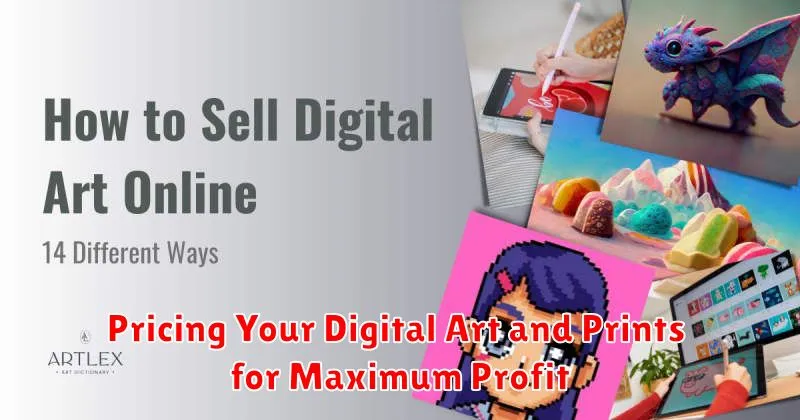
Pricing your artwork effectively is crucial for maximizing profit and establishing a sustainable art business. Several factors contribute to determining the optimal price point. Production costs, including materials for prints, packaging, and shipping, form the base of your pricing structure.
Beyond the tangible costs, consider the value of your time and skill. Researching comparable artists and their pricing can provide valuable benchmarks. Analyze the market demand for your specific style and subject matter. Higher demand often justifies higher prices.
Print size and edition size influence pricing. Smaller, limited edition prints typically command higher prices than larger, open edition prints. Finally, factor in your profit margin. This is the percentage of the selling price that constitutes your profit after all expenses are deducted.
Experiment with different pricing strategies to find what works best for your target audience and business goals. Regularly evaluate and adjust your pricing as your skills and market standing evolve.
Marketing Your Digital Art and Prints Effectively
Effective marketing is crucial for driving sales and building a collector base. A multi-pronged approach is often the most successful.
Social media platforms are powerful tools. Share your creative process, engage with followers, and utilize relevant hashtags to reach a wider audience. Consider targeted advertising to connect with potential buyers interested in your specific style.
Email marketing allows you to nurture relationships with collectors. Build an email list by offering exclusive content or discounts. Regular newsletters can showcase new artwork, announce sales, or share behind-the-scenes glimpses into your studio.
Collaborate with other artists or influencers for cross-promotional opportunities. Participating in online or in-person art events can also broaden your reach.
Building a Community Around Your Art
Cultivating a strong community is crucial for long-term success in the digital art world. It provides a supportive network and a built-in audience for your creations. Engagement is key. Respond to comments and messages promptly. Host Q&A sessions or live streams to connect directly with your followers.
Collaboration can significantly expand your reach. Partner with other artists for joint projects or giveaways. Cross-promote each other’s work to tap into new audiences.
Offer exclusive content or early access to new releases for your community members. This fosters a sense of belonging and rewards their loyalty. Consider creating a dedicated space, like a Discord server or Patreon page, for deeper interaction and exclusive perks.
Consistency is vital. Regularly share updates, behind-the-scenes glimpses into your creative process, and engage with your audience to maintain their interest and foster a sense of connection. Building a thriving community takes time and effort, but the rewards are well worth the investment.
Creating High-Quality Prints of Your Digital Art
Transforming your digital artwork into physical prints requires careful attention to detail to ensure the final product reflects the quality of your original creation. Choosing the right printing method and materials is crucial for achieving professional results.
Giclée printing is the industry standard for fine art reproduction. This method uses archival inks and high-quality paper to produce vibrant, long-lasting prints. Consider factors like paper weight, texture, and finish to complement your artwork.
Properly preparing your digital files is essential for optimal print quality. Ensure your artwork is at a high resolution (300 DPI) to avoid pixelation or blurring. Calibrating your monitor and using a color-managed workflow will help maintain color accuracy from screen to print.
Working with a professional printing service can streamline the process and ensure consistent results. Communicate your artistic vision and desired print specifications clearly. Requesting a test print is highly recommended to review the quality and make adjustments before committing to a larger print run.
Packaging and Shipping Your Prints Safely
Safe packaging is crucial for ensuring your prints arrive at their destination undamaged. Choose sturdy materials that protect against bending, tearing, and moisture.
For prints without frames, consider using rigid mailers specifically designed for artwork. Place the print inside a clear protective sleeve, then layer it with acid-free backing board. Securely seal the mailer to prevent shifting during transit.
When shipping framed prints, extra precautions are necessary. Wrap the frame in protective material such as bubble wrap. Use corner protectors to shield the frame’s edges. Place the wrapped frame inside a sturdy box with ample cushioning material, such as packing peanuts or air pillows. Clearly mark the package as “fragile.”
Select a reliable shipping carrier that offers tracking and insurance options. This provides both you and your customer with peace of mind. Communicate the tracking information to the buyer once the shipment is processed.
Providing Excellent Customer Service to Art Buyers
Excellent customer service is crucial for building a loyal customer base and ensuring repeat business. Responding promptly and professionally to inquiries, whether they’re about shipping times, print sizes, or custom orders, demonstrates your commitment to customer satisfaction.
Clear communication is key. Keep buyers updated on the status of their orders, especially if there are any delays. Proactively addressing potential issues before they arise can prevent misunderstandings and negative experiences. A personalized thank you note included with the shipment can add a special touch and strengthen the customer relationship.
Handling returns and refunds efficiently and fairly is essential for maintaining a positive reputation. Establish a clear return policy and communicate it transparently to your customers. A smooth and hassle-free return process can turn a potentially negative experience into a positive one.
Encourage feedback from your customers. This valuable information can help you identify areas for improvement and tailor your services to meet their needs. Actively solicit reviews and testimonials, as positive feedback can build trust and attract new customers.
Legal Considerations for Selling Digital Art and Prints
Navigating the legal landscape of selling digital art and prints involves understanding copyright, licensing, and contract law. Protecting your artwork is paramount.
Copyright automatically protects your original artwork upon creation. Registering your copyright provides additional legal benefits should infringement occur. Clearly define the rights granted to buyers of your digital art or prints. Specify whether they are purchasing ownership of the copyright or merely a license to use the art in certain ways.
Offering different license types allows buyers flexibility. Options like personal use, commercial use, or extended commercial licenses grant varying permissions. Be explicit about usage rights to avoid misunderstandings.
Contracts, even simple ones, clarify terms of sale. Outline details such as payment methods, delivery timelines, and refund policies. This safeguards both you and your customers. Consider consulting with a legal professional to ensure your contracts are comprehensive and legally sound.
