
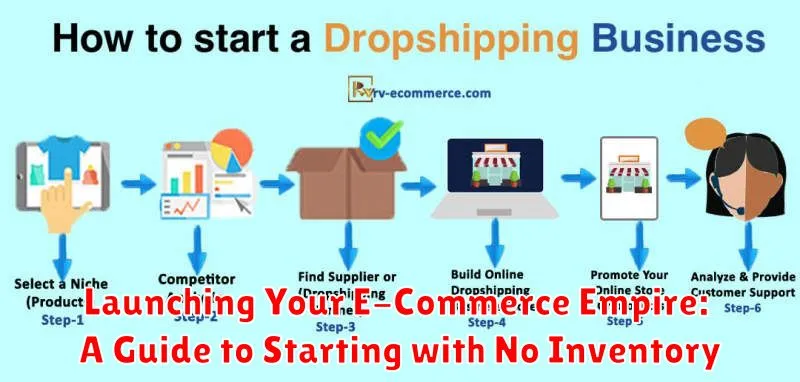
Dreaming of launching your own e-commerce empire but don’t have the capital to invest in a mountain of inventory? You’re not alone. Many aspiring entrepreneurs are hesitant to take the plunge into online retail due to the perceived costs and complexities of managing stock. The good news is, you can absolutely start an e-commerce business with no inventory. This comprehensive guide will walk you through the process, offering proven strategies and valuable insights to help you build a successful online store from the ground up, without the burden of upfront inventory investment.
This guide explores the powerful world of dropshipping, print-on-demand, and other innovative no-inventory models that allow you to sell products online without ever touching a physical item. We’ll delve into the nuances of each approach, outlining the advantages and disadvantages, and equipping you with the knowledge you need to choose the perfect no-inventory model for your e-commerce business. Learn how to identify profitable niches, select reliable suppliers, build a user-friendly online store, and market your products effectively to reach your target audience. With the right strategies and a commitment to success, your e-commerce empire can become a reality, even with no inventory to start.
Understanding the Dropshipping Model
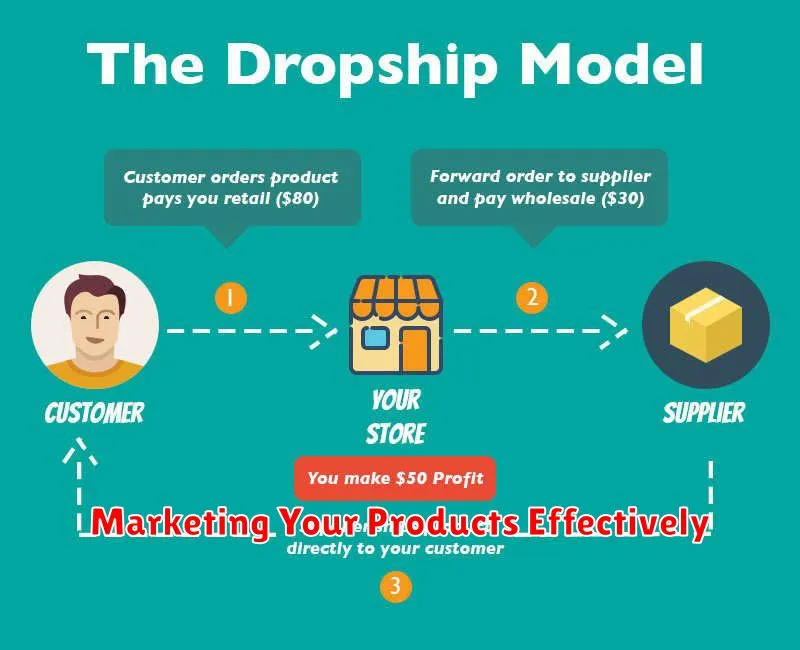
Dropshipping is a retail fulfillment method where a store doesn’t keep the products it sells in stock. Instead, when a store sells a product using the dropshipping model, it purchases the item from a third party – a supplier – and has it shipped directly to the customer. This means you, as the store owner, don’t have to handle the product directly.
The biggest advantage here is the lack of upfront inventory investment. You don’t need to purchase a large quantity of goods before making a sale. This significantly reduces the financial risk associated with starting an e-commerce business.
Essentially, the process involves these key steps:
- Customer places an order on your online store.
- You forward the order details to your dropshipping supplier.
- The supplier fulfills the order and ships it directly to the customer.
You’re responsible for marketing and customer service, while the supplier handles inventory management and shipping. While seemingly simple, understanding the nuances of dropshipping is crucial for success.
Finding Reliable Suppliers for Your Products
Sourcing reliable suppliers is crucial for dropshipping success. Vetting potential suppliers thoroughly ensures product quality and timely order fulfillment, directly impacting customer satisfaction.
Begin your search using online directories specifically designed for dropshipping. Platforms like SaleHoo, Worldwide Brands, and Doba offer extensive supplier databases, often with screening processes already in place. Industry-specific online forums can also provide valuable insights and recommendations.
When evaluating a potential supplier, consider their communication responsiveness. Prompt and clear communication is essential for addressing order issues and maintaining a smooth operation. Inquire about their shipping times and costs, return policies, and product quality control measures. Requesting product samples is highly recommended to assess quality firsthand before committing.
Don’t solely rely on one supplier. Diversifying your supplier network mitigates risks associated with potential supply chain disruptions or individual supplier shortcomings.
Setting Up Your Online Store
Establishing your online storefront is a crucial step in launching your e-commerce business. Choosing the right platform is paramount. E-commerce platforms like Shopify, WooCommerce, and BigCommerce offer varying features and pricing structures, catering to different business needs.
Key considerations when selecting a platform include ease of use, scalability, and available integrations. Consider factors such as transaction fees, design flexibility, and built-in marketing tools. A user-friendly interface simplifies store management, while scalability ensures your platform can handle growth.
Once you’ve chosen your platform, customize your store to reflect your brand. Select a visually appealing theme and organize your products logically. High-quality product images and detailed descriptions are essential for showcasing your offerings. Ensure your store is mobile-friendly for optimal customer experience.
Finally, integrate essential functionalities. Set up secure payment gateways to process transactions smoothly. Implement inventory management tools to track product availability, even with the dropshipping model. Consider integrating email marketing services for customer communication and retention.
Marketing Your Products Effectively
Effective marketing is crucial for driving traffic and sales to your dropshipping store. Targeted advertising is key. Explore platforms like Google Ads and social media advertising to reach potential customers interested in your niche.
Content marketing can establish you as an authority in your field. Consider creating a blog or producing videos related to your products. Sharing valuable content can attract and engage your target audience.
Social media engagement is essential. Create compelling content on platforms relevant to your audience. Interact with followers, respond to comments, and build a community around your brand.
Influencer marketing can provide valuable exposure. Partnering with influencers in your niche can introduce your products to a wider audience and build trust.
Managing Customer Orders and Shipping
Efficient order management and shipping are crucial for customer satisfaction and the success of your dropshipping business. When a customer places an order on your website, the process begins. Promptly forward the order details, including the customer’s shipping address, to your chosen supplier. Accuracy is essential to avoid fulfillment errors.
Monitor the order’s progress with your supplier and keep the customer informed about the estimated delivery timeframe. Provide tracking information as soon as it becomes available. This transparency builds trust and manages expectations. While your supplier handles the physical shipping, you are responsible for the customer service aspect. Address any shipping inquiries or concerns promptly and professionally.
Establish a clear return policy and communicate it clearly to your customers. Coordinate any returns with your supplier. Efficient handling of returns and refunds minimizes customer frustration and protects your reputation. Streamlining this process allows you to focus on scaling your business.
Building a Strong Brand Identity
In the competitive e-commerce landscape, a strong brand identity is crucial for success. It differentiates you from the competition and fosters customer loyalty. This is especially important when starting with no inventory, as your brand becomes your primary asset.
Define your target audience. Understanding your ideal customer is the first step. Consider their demographics, interests, and needs. This knowledge informs your brand’s messaging and overall aesthetic.
Develop a unique brand name and logo. Your brand name should be memorable, easy to pronounce, and relevant to your niche. The logo should visually represent your brand’s personality and values.
Craft a compelling brand story. Share your mission and values. What makes your brand unique? Why should customers choose you? A compelling brand story creates an emotional connection with your audience.
Establish a consistent brand voice. Maintain a consistent tone and style in all your communications, from website copy to social media posts. This builds brand recognition and reinforces your brand personality.
Scaling Your Business with No Inventory
Once your dropshipping business starts generating consistent revenue, scaling becomes the next crucial step. Automation is key to efficiently managing a growing number of orders and customer inquiries. Explore automated solutions for order fulfillment, customer service, and marketing.
Expanding your product offerings is another effective scaling strategy. Analyze your sales data to identify trending products and consider adding complementary items to your existing catalog. This diversification can attract a wider customer base and increase average order value.
Targeted marketing campaigns are essential for reaching a larger audience. Leverage social media advertising, influencer collaborations, and email marketing to promote your products to specific demographics. Refine your targeting based on data analytics to maximize your return on investment.
Finally, consider optimizing your supplier relationships. Negotiate better pricing and faster shipping times as your order volume increases. Developing strong partnerships with reliable suppliers is crucial for maintaining a high level of customer satisfaction during periods of growth.
Overcoming Common Challenges in Dropshipping
Dropshipping presents unique challenges. Profit margins can be lower due to supplier pricing. Diligent product research is crucial to identify profitable niches.
Shipping complexities are another hurdle. Working with multiple suppliers can lead to varying shipping times and costs, impacting customer satisfaction. Clearly communicating shipping expectations on your website is essential.
Inventory management, while simplified, requires close monitoring. Supplier stock levels can fluctuate, potentially leading to order fulfillment issues. Real-time inventory syncing with your website is vital.
Customer service can also be more demanding. Addressing product quality issues or returns necessitates effective communication with suppliers. Establishing clear return policies and proactive customer support is paramount.
