
In the competitive world of e-commerce, crafting irresistible product descriptions is paramount to driving sales. A well-written product description can be the deciding factor between a conversion and a lost customer. It’s more than just listing features; it’s about painting a picture of the product’s value and how it can benefit the customer. This article will delve into the art of creating compelling product descriptions that not only inform but also entice, persuade, and ultimately, convert browsers into buyers. Learn the essential tips and techniques to transform your product descriptions from mundane to magnetic, capturing the attention of your target audience and boosting your bottom line.
Discover the secrets to crafting product descriptions that sell by understanding your audience, highlighting key features and benefits, and using persuasive language. From choosing the right keywords for search engine optimization (SEO) to crafting compelling narratives that resonate with your customers, this guide will provide you with the tools you need to write effective product descriptions that truly connect. Unlock the potential of your online store and learn how optimized product descriptions can significantly enhance your sales performance and establish a stronger brand presence.
Understanding the Power of Persuasive Product Descriptions
A product description is more than just a list of features; it’s a powerful sales tool. It’s the bridge between a potential customer seeing your product and deciding to purchase it. Effective descriptions don’t just inform; they persuade.
Persuasive product descriptions tap into the psychology of buying. They answer the unspoken question every customer has: “What’s in it for me?” By focusing on the benefits and addressing customer pain points, you create a compelling reason to buy. This translates to increased conversions, higher average order values, and ultimately, a boost in your bottom line.
Crafting compelling descriptions requires a shift in perspective. Instead of simply stating what a product is, focus on what it does for the customer. Highlight how it improves their lives, solves their problems, or fulfills their desires. This approach creates a stronger connection and encourages action.
Know Your Target Audience: Speak Their Language
Crafting compelling product descriptions begins with a deep understanding of your target audience. Who are they? What are their needs, motivations, and pain points? What language do they use daily? Answering these questions is crucial to tailoring your message effectively.
Speaking your audience’s language goes beyond simply using the right jargon. It’s about understanding their values and aspirations. For example, if your target audience consists of tech-savvy millennials, using informal language and highlighting cutting-edge features might resonate. Conversely, if you’re targeting a more mature audience, a more formal tone and an emphasis on practicality and reliability might be more effective.
Consider their level of knowledge about the product category. Are they experts, or novices? Adjust your language accordingly, avoiding overly technical terms for a novice audience or overly simplistic explanations for experts. Researching your target audience through surveys, customer reviews, and social media analysis can provide valuable insights into their language and preferences.
Highlight the Benefits, Not Just the Features
Customers don’t buy features; they buy benefits. A feature is a factual statement about your product, while a benefit explains how that feature improves a customer’s life. Focus on what the customer gains by using your product.
For example, instead of simply stating a camera has “1080p video resolution” (feature), emphasize that this allows users to “capture crystal-clear memories in stunning high definition” (benefit). Highlighting the emotional and practical advantages connects with customers on a deeper level.
Consider using a table to clearly differentiate features and benefits:
| Feature | Benefit |
|---|---|
| Water-resistant material | Keeps your belongings safe and dry, even in unexpected rain. |
| Lightweight design | Enjoy comfortable all-day wear without feeling weighed down. |
By focusing on the benefits, you transform a list of technical specifications into a compelling reason to purchase.
Use Vivid Language and Sensory Details
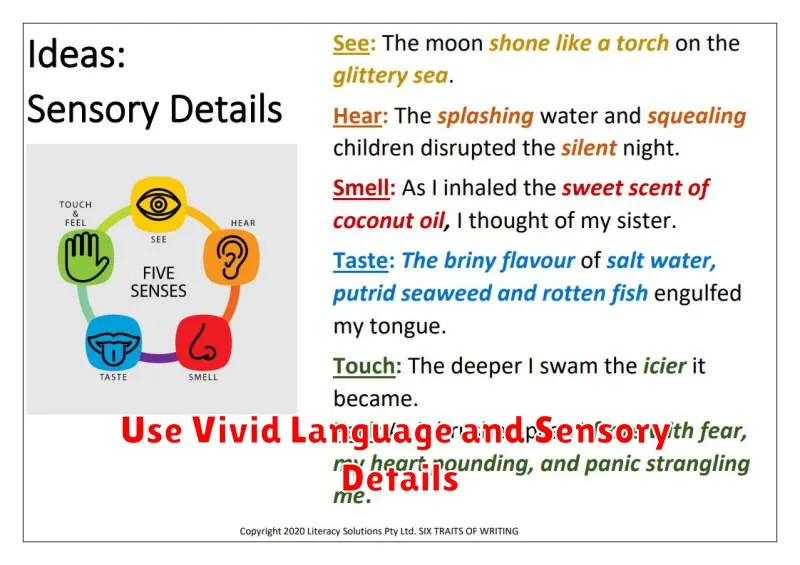
Paint a picture with your words. Ditch the generic and embrace descriptive language that appeals to your customer’s senses. Instead of stating “soft fabric,” describe it as “silky smooth, like a whisper against your skin.” Don’t just say “delicious coffee,” but evoke the “rich, dark aroma of roasted Arabica beans, promising a bold and invigorating start to your day.”
Sensory details create an emotional connection, allowing customers to imagine themselves experiencing the product. This immersive experience is far more compelling than a dry list of features. Consider these examples:
- Instead of “bright red dress,” try “vibrant crimson gown, radiating confidence and elegance.”
- Instead of “comfortable chair,” write “plush armchair, inviting you to sink into its cozy embrace.”
- Instead of “durable shoes,” describe them as “rugged boots, built to withstand the toughest terrains.”
By invoking the senses, you elevate your product description from mere information to a captivating experience, ultimately boosting your sales potential.
Tell a Story: Engage Your Customers Emotionally
Dry facts and figures rarely resonate with customers on an emotional level. Instead of simply listing product specifications, weave a narrative around your product. Connect with your audience by illustrating how the product can enhance their lives, solve their problems, or fulfill their aspirations.
Consider the emotional drivers behind purchasing decisions. Are your customers seeking convenience, comfort, status, or security? Craft a story that aligns with these desires. For example, instead of saying “This coffee maker brews quickly,” you might say, “Imagine waking up to the rich aroma of freshly brewed coffee, ready in minutes, giving you a perfect start to your busy day.” This paints a picture and connects with the desire for a smooth and effortless morning routine.
Use evocative language and relatable scenarios. Put your customer in the story, making them the protagonist who benefits from using your product. This emotional connection fosters a stronger sense of desire and increases the likelihood of a purchase.
Optimize for Search Engines: Incorporate Relevant Keywords
Boost your product’s visibility in search engine results pages (SERPs) by strategically incorporating relevant keywords into your product descriptions. Keywords are the terms and phrases that potential customers use when searching for products online. By understanding these search patterns, you can tailor your descriptions to match what your target audience is looking for.
Begin by conducting keyword research to identify the most effective terms for your products. Consider using tools like Google Keyword Planner or other SEO tools. Analyze search volume, competition, and relevance to choose the most impactful keywords.
Once you have your keywords, seamlessly integrate them into your descriptions. Focus on the product title, headings, and body text. Avoid keyword stuffing, which is the excessive and unnatural use of keywords. Strive for a natural and readable flow that benefits both search engines and customers. Think about long-tail keywords (longer, more specific phrases) as they often have less competition and can attract highly qualified leads.
Use High-Quality Images and Videos

Visuals are crucial for showcasing your products effectively. High-quality images and videos can significantly impact a customer’s purchase decision. They provide a tangible representation of your product, allowing potential buyers to visualize it in their own lives.
Use professional-grade photography or videography to capture your products in the best light. Images should be clear, well-lit, and accurately represent the product’s color, size, and texture. Consider using multiple images to showcase different angles and details.
Videos offer an even more engaging way to present your products. Short product demonstration videos or lifestyle videos incorporating the product can be incredibly effective. Ensure videos are high-resolution and optimized for fast loading.
Invest in good visual content. It’s an investment that pays dividends by increasing customer engagement and driving sales.
Maintain a Consistent Brand Voice
Consistency in your brand voice is paramount for building a recognizable and trustworthy brand identity. This consistency should extend to your product descriptions, ensuring they align with your overall brand messaging and resonate with your target audience.
Consider your brand’s personality. Are you sophisticated and professional, or playful and quirky? Reflect this personality in the language and tone used in your descriptions. A consistent voice fosters a sense of familiarity and reinforces your brand image with every product showcased.
Define your brand’s vocabulary and tone guidelines. Create a style guide that outlines preferred terms, sentence structures, and the overall tone to be employed. This will serve as a valuable reference for anyone creating product descriptions, ensuring uniformity across your entire product range.
Include a Clear Call to Action
A compelling product description is incomplete without a clear call to action (CTA). The CTA guides the potential customer towards the desired action, whether it’s adding the product to their cart, learning more, or making a purchase.
Effective CTAs are concise and action-oriented. They create a sense of urgency and encourage immediate engagement. Examples include “Shop Now,” “Add to Cart,” “Learn More,” “Get Yours Today,” or “See Details.”
Consider the placement of your CTA. It should be prominently displayed within the product description, ideally near the end after the customer has absorbed the product’s benefits. A well-placed CTA makes it easy for the customer to take the next step.
Experiment with different CTAs to determine what resonates best with your target audience. A/B testing can be a valuable tool in optimizing your CTA’s effectiveness and driving conversions.
By including a clear and compelling call to action, you empower potential customers to take the next step in the purchasing process, ultimately boosting your sales.
